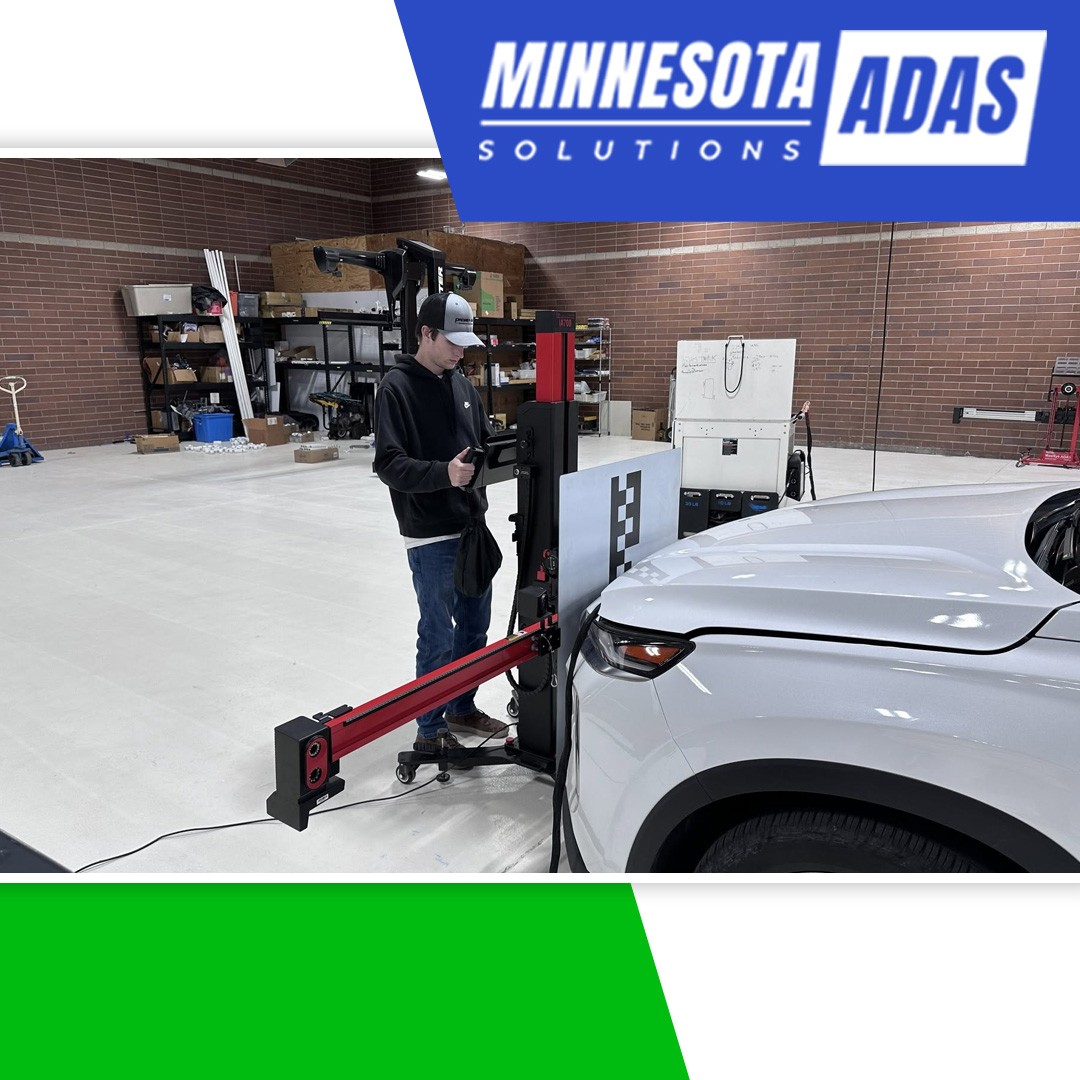
BLOOMINGTON, Minn., September 18, 2026 – MN ADAS Solutions, Bloomington has published new guidance this month on the order in which Advanced Driver Assistance Systems (ADAS) must be calibrated following collision repairs, windshield replacements, and wheel alignments, noting that skipping or reordering a single step can force technicians to repeat calibrations already completed. The guidance addresses a workflow question repair facilities encounter daily as more vehicles on the road depend on connected safety systems that require manufacturer-approved calibration sequences before returning to service.
Calibration Begins With Vehicle Preparation
Before calibration can begin, technicians first prepare the vehicle according to manufacturer specifications. This commonly includes checking tire pressure, verifying ride height, confirming fuel levels where required, and completing a four-wheel alignment if specified by the vehicle manufacturer. The steering angle sensor is then reset before front-facing safety systems are calibrated.
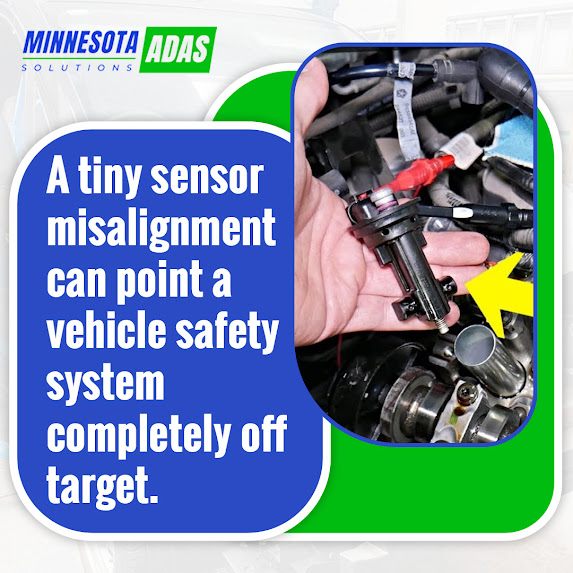
Research published by AAA found that a sensor misaligned by only a fraction of an inch or a single degree can point far away from its intended target at distances of 50 feet or more. That finding highlights why accurate preparation remains part of the overall calibration process.
According to the facility, manufacturer procedures vary between vehicle models, making OEM documentation the standard reference for every calibration performed.
Many Safety Features Depend on the Correct Calibration Order
Several driver assistance features depend on information collected by front-facing cameras and radar sensors. As a result, the order of calibration can affect how those systems interpret road conditions after repairs.
Systems commonly calibrated during the process include:
-
Adaptive cruise control
-
Lane departure warning
-
Forward collision warning
-
Blind spot monitoring
Front camera systems often support lane detection and emergency braking functions, while radar sensors measure vehicle distance and speed for adaptive cruise control and collision warning features. Rear radar sensors used for blind spot monitoring calibration are generally completed after front sensor procedures because they operate independently of the forward-facing systems.
"Every manufacturer has its own calibration sequence, and skipping a step doesn't save time, it just means redoing the work later," said CJ Peeters, owner of Minnesota ADAS Solutions. "We follow that order on every vehicle because each measurement builds on the one before it. Getting the first reference point right is what makes the rest of the calibration hold up."
Industry Research Shows Why Calibration Accuracy Matters
Studies continue to demonstrate the value of properly functioning driver assistance systems. Research from the Insurance Institute for Highway Safety (IIHS) found that forward collision warning systems reduced police-reported rear-end crashes by 27 percent. The findings reflect how vehicle safety technologies can contribute to crash reduction when operating with accurate sensor data.
The facility notes that adaptive cruise control calibration, lane departure warning calibration, forward collision warning calibration, and camera and radar calibration all depend on measurements established during the earlier stages of the process. If an early step is skipped or completed incorrectly, later calibrations may need to be repeated after the reference point is corrected.
Documentation Plays an Important Role After Repairs
Along with performing the calibration itself, documenting the completed work provides repair facilities and vehicle owners with a record of the procedures carried out during service.
Typical documentation may include:
-
Vehicle information and repair details
-
Systems that received calibration
-
Calibration results
-
OEM procedures followed during service
Keeping these records can also assist repair facilities when multiple parties are involved in a vehicle repair, including collision centers, dealerships, insurance providers, and automotive glass companies.
Growing Vehicle Technology Continues to Change Repair Procedures
Advanced driver assistance systems have become standard equipment on many new vehicles sold in the United States. Features such as adaptive cruise control, lane departure warning, forward collision warning, and blind spot monitoring are increasingly part of post-repair procedures following structural repairs, suspension work, wheel alignments, and windshield replacement.
As vehicle technology evolves, repair facilities continue adapting their repair processes to align with manufacturer service information and calibration requirements.
About Minnesota ADAS Solutions
Minnesota ADAS Solutions is a Bloomington-based provider of Advanced Driver Assistance Systems calibration services for domestic, Asian, and European vehicles, with additional Minnesota locations in Lakeville, Maple Grove, Rochester, Waite Park, and Woodbury. The company works with collision repair centers, dealerships, automotive glass providers, fleet operators, and independent repair shops, performing manufacturer-guided camera and radar calibration and other ADAS procedures using OEM service information. Minnesota ADAS Solutions operates as a licensee of Car ADAS Solutions.
Media Contact
CJ Peeters
Owner, Minnesota ADAS Solutions
9555 James Ave S
Bloomington, MN 55431
Phone: (612) 425-4230
Email: info@mnadas.com
Contact: https://www.mnadas.com/contact/

